




Organisation-wide case studies

Embedding decarbonisation across departments: the case of The Guardian
The Guardian has long documented the causes and consequences of the climate crisis. In 2019 it extended that commitment to its own operations, embedding environmental sustainability and decarbonisation across every department and function. Its journey is an inspiring example of how a media organisation can cut emissions by more than 40% across all scopes while continuing its core activities and using its influence to advocate for climate action.
Read more about this success story here.
Copenhagen: One of the greenest cities in Europe
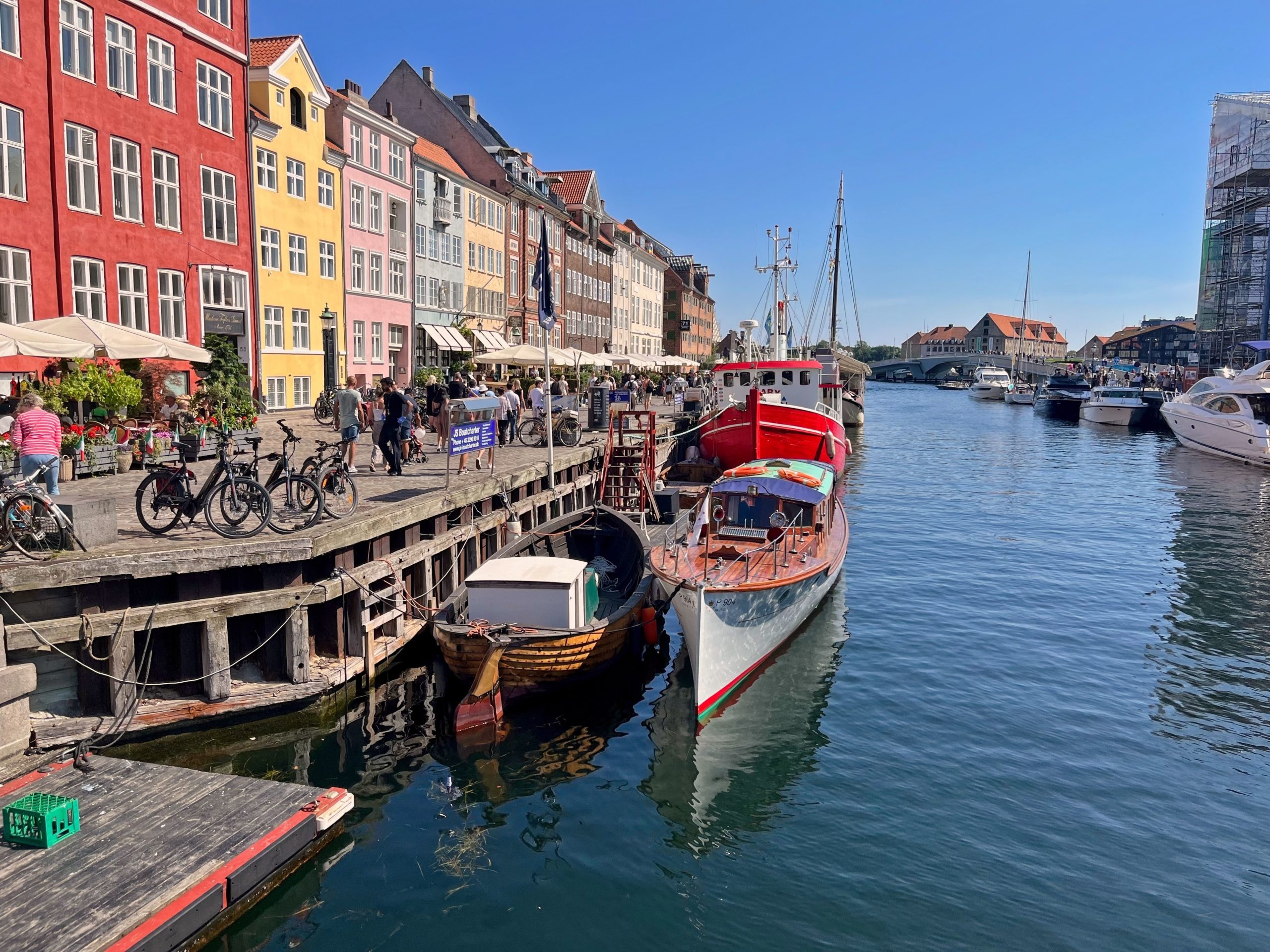
Since adopting the first City of Copenhagen Climate Plan in 2012, Copenhagen has established itself as one of the world’s leading cities in climate action. Thanks to an emissions reduction strategy that is both ambitious and realistic, to detailed decarbonisation action plans per sector as well as the implication and therefore the appropriation of citizen in the process, the city has become one of the greenest in the world. This inspiring example illustrates how a public authority can take a leadership role in climate action and in turn accelerate the climate transition beyond its direct sphere of influence.
Read more info about this case study here.

Anchoring climate commitments across an organisation: the case of ACTED
As part of its overall 3 zero approach (zero poverty, zero carbon, zero exclusion), ACTED was among the first humanitarian organisation to demonstrate a strong commitment to “walk the talk” on carbon emissions. Since 2020, the organisation is indeed committed to align its practices with global emissions reductions efforts and half its carbon footprint by 2030.
Read more about this case study here.
Technical case studies
Collecting empty sachets of Ready-to-Use Therapeutic Food (RUTF)
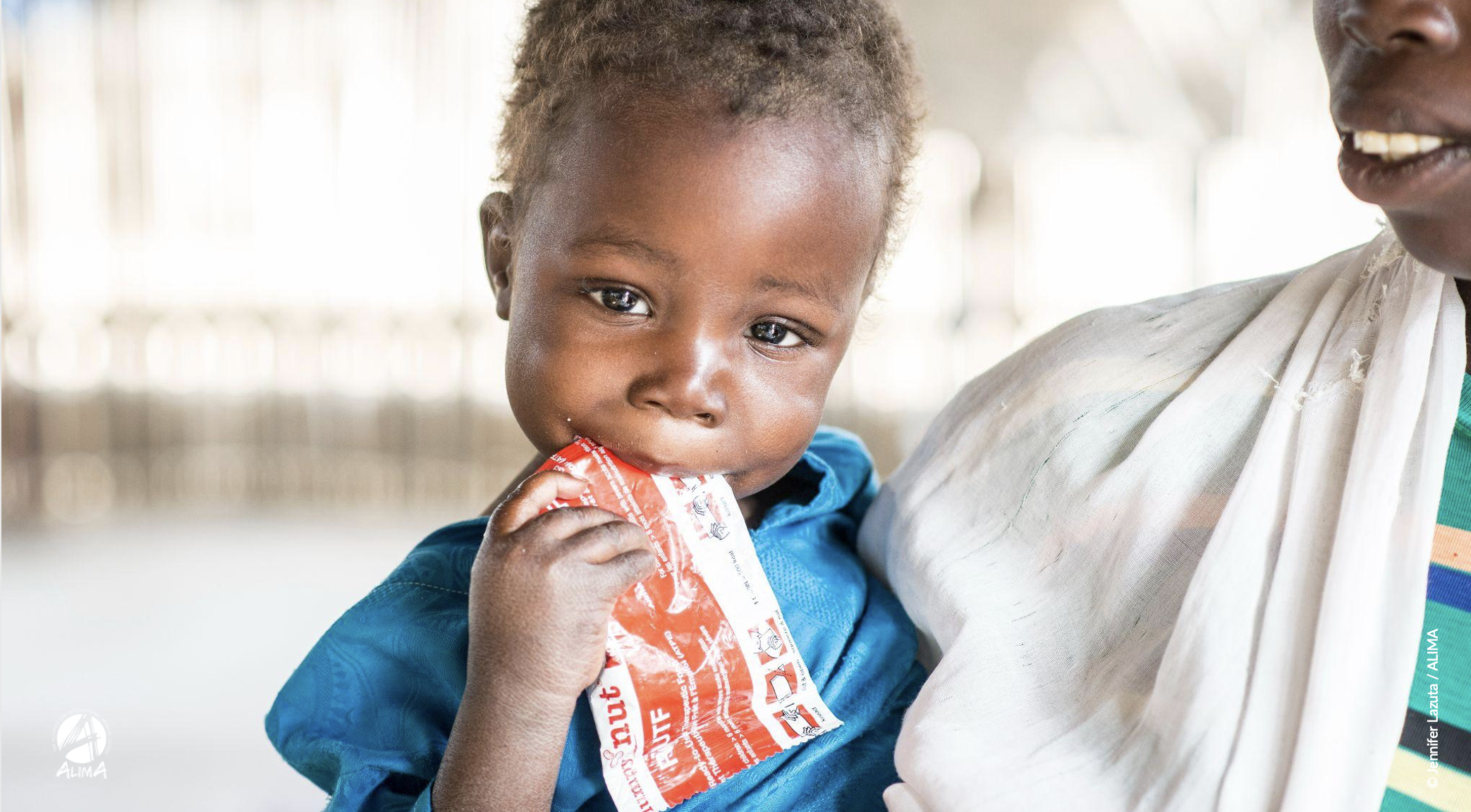
Integrated into their medical and nutritional activities, ALIMA and its partner NGOs, Alerte Santé, KEOOGO and SOS Médecins organised the collection of used sachets from malnutrition treatment programs (Ready-to-Use Therapeutic Food – RUTF) in Chad and Burkina Faso. These efforts resulted in collection rates of empty sachets of up to 90.8 % and prevented the release of 3 tonnes of plastic waste into the environment.
Read more about this case study here.

Recycling water at mobile handwashing stations: Terre des hommes & the Gravit'eau system
Gravit’eau mobile handwashing stations recycle water automatically, safely cutting consumption by up to 99% per handwash compared with other methods. A foot pump discharges the water; wastewater is collected in a tank and filtered through a membrane fine enough to block bacteria and viruses. The whole system works by gravity — no electricity, no complex maintenance, no continuous chemical input — making it ideal for crisis and water-shortage situations. Other uses for larger volumes, such as treating domestic wastewater from cooking or personal hygiene, are being explored.
Read more about this success story here.

Integrating agroecology practices into programmes to strengthen their impact: lessons learnt from 2 local NGOs in the Sahel
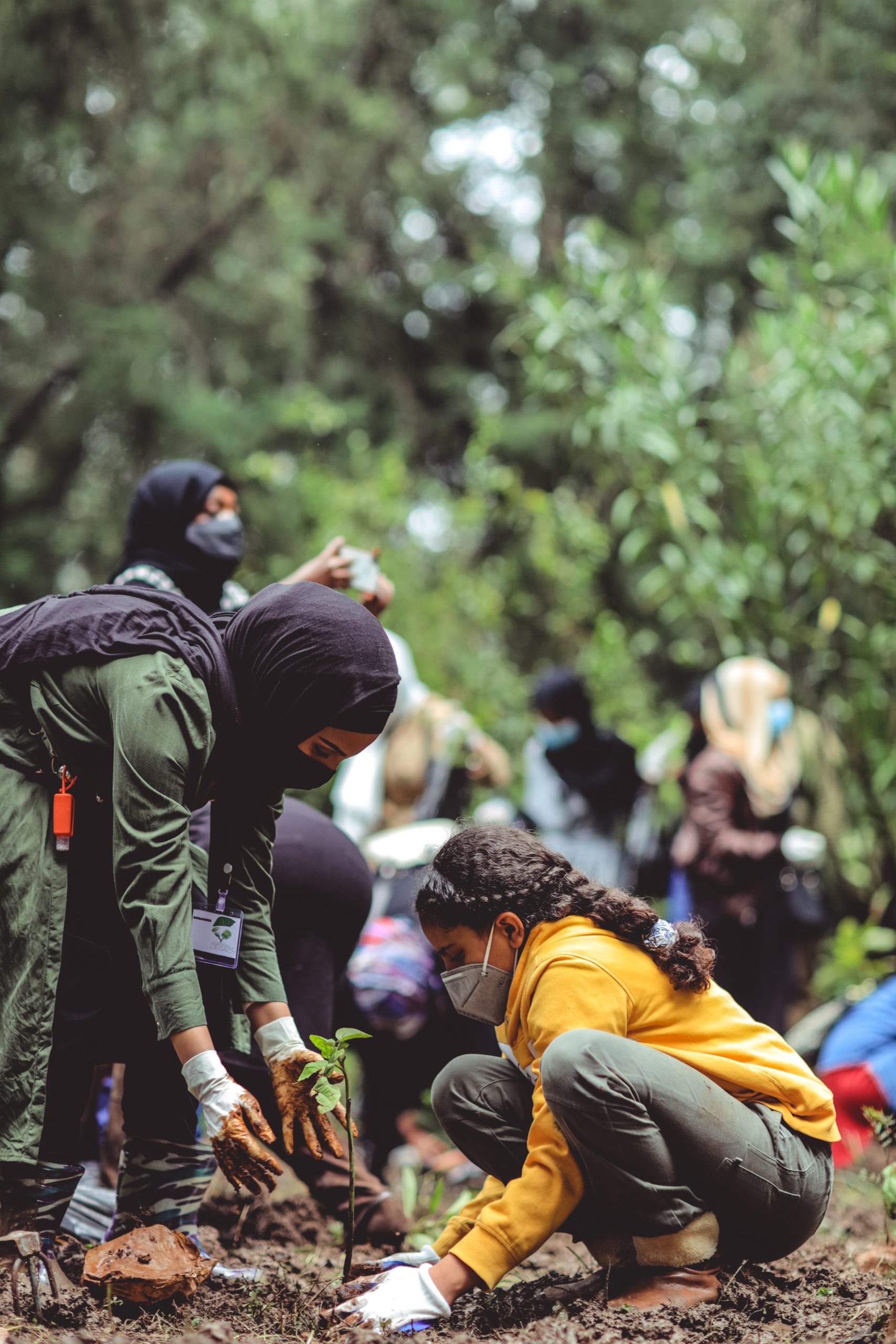
Most local and national NGOs in Africa contribute very little to the humanitarian sector’s greenhouse gas emissions, yet remain strongly committed to climate and environmental action. This case study shows how two medical NGOs integrated agroecological practices into their day-to-day activities, strengthening the scope and impact of their work. In Burkina Faso, SOS Médecins set up a vegetable garden in a prison where it provides medical assistance to inmates. In Niger, BEFEN launched a project to plant trees in its health centres and establish vegetable gardens in surrounding communities.
Read more about this success story here.
Engaging suppliers to cut supply chain emissions: the case of the NHS
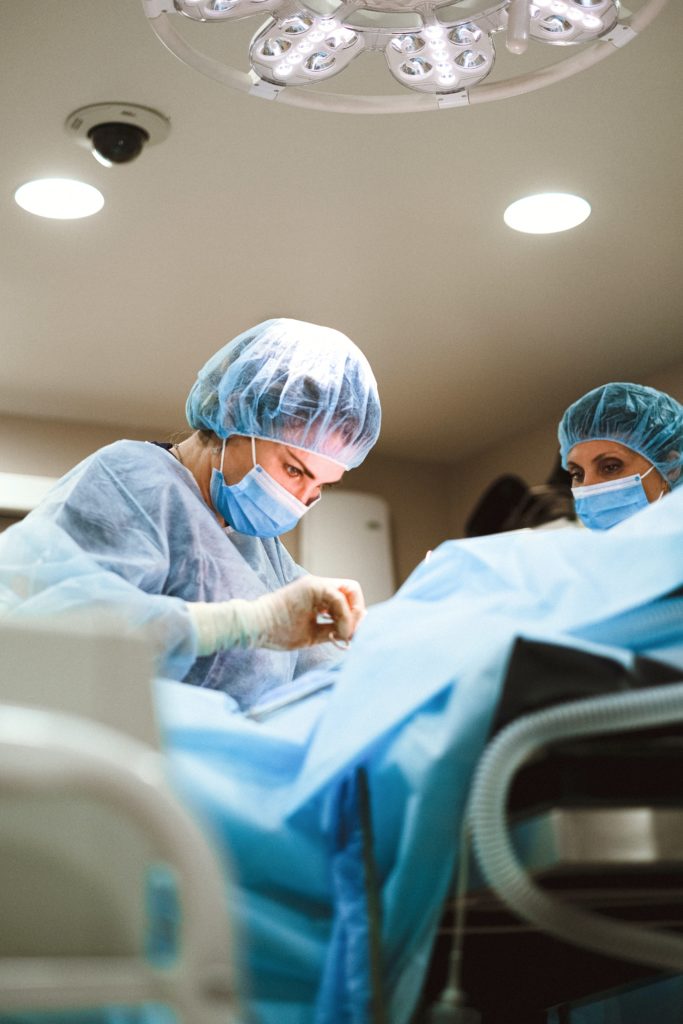
In October 2020 the UK’s National Health Service (NHS) announced its goal of becoming the world’s first net-zero national health service. Responsible for around 4% of Britain’s emissions, it generates 62% of its own footprint in the supply chain — mainly manufactured goods such as pharmaceuticals and chemicals and medical equipment). With over 80,000 suppliers, it identified three levers to drive action: more efficient use of supplies, low-carbon substitution and innovation, and supplier decarbonisation — the most impactful of all. By the decade’s end, the NHS will stop purchasing from non-compliant suppliers.
Read more about this success story here.

Shifting from air to sea freight: the case of MSF France
MSF France has significantly reduced air transport in favour of sea freight. In the 2010s, 70% of goods were transported by air; in 2021, the share of air freight went down to 29%. This did not only save greenhouse gas emissions, but also cost savings as sea transport is far cheaper. The shift followed a joint review with medical management across the supply chain, which identified order planning as the main lever: many “urgent” air shipments served regular projects and compensated for foreseeable stock shortages. MSF developed “Lead Time Performance” sheets breaking the process into 10 key stages. Supply managers see further potential in refrigerated containers for cold-chain medicines.
Read more about this success story here.
Compendiums
-
Environmental mainstreaming in humanitarian action. Good practices and lessons learned
European Civil Protection and Humanitarian Aid Operations | 2025
Explore here -
Compendium of good practices for a greener humanitarian response
European Civil Protection and Humanitarian Aid Operations | June 2021
Explore here
Credits
Cover photo © Eyoel Kahssay/Unsplash.