




About the webinar
This webinar focuses on the Plastik project, led by ALIMA and the Climate Action Accelerator, which aims to reduce the environmental impact of emergency medico-nutritional interventions by optimising the life cycle of plastic packaging.
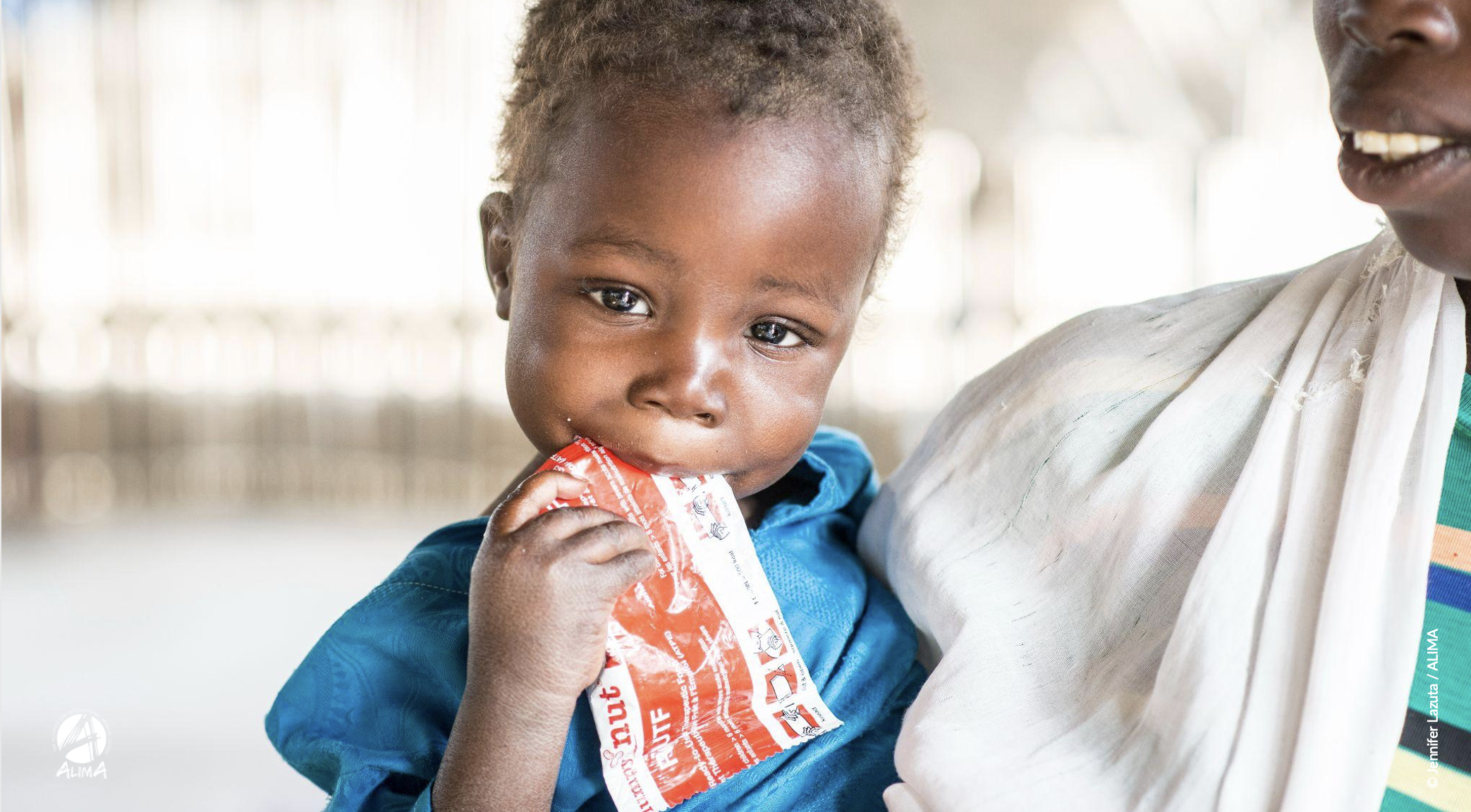
The Plastik project specifically addresses two items widely used by medical humanitarian organisations: ready-to-use therapeutic food (RUTF) sachets and medication dispensing sachets. These items, particularly RUTF sachets, are distributed on a massive scale and are often discarded into the environment after use, causing significant plastic pollution.
The webinar includes presentations on:
- The study of the RUTF sachet’s life cycle as well as the field activities carried out by ALIMA as part of this project
- The OPTIMA project, which allows to treat more children whilst reducing the number of RUTF sachets distributed
- A project to recycle plastic waste implemented by Engineers Without Borders Norway in Somalia
These presentations were followed by a Q&A session, where we explored further with the speakers what buying organisations can concretely do to reduce the environmental impact of emergency medico-nutritional interventions.
When and where
📆 Thursday 28 May 2026 | 13:00-14:30 CEST (Geneva time)
💻 Online on Zoom
🇬🇧 Language: The webinar was conducted in English and translated simultaneously into French via a Zoom plug-in
Meet the speakers
- Pascal Carré, Technical expert, Premises, energy & sanitation, Climate Action Accelerator
- Jérémy Coutelle, Head of Environmental Action, ALIMA
- Nima Nemati Saeid, Head of Innovation and Projects, Engineers Without Borders Norway
Comment
Missed the webinar? Watch the recording below or watch it directly on our YouTube channel!
Watch the replay
Download the presentations
-
Download the presentations
Link here
Featured
Technical projects in the aid sector
Credits
Cover photo: Jennifer Lazuta/ALIMA